
Can cold weather crack a windshield? Yes, and it can turn a chip you have been ignoring into a crack that runs the width of the glass overnight. In a Northeast Ohio winter, that is one of the most common calls our technicians get.
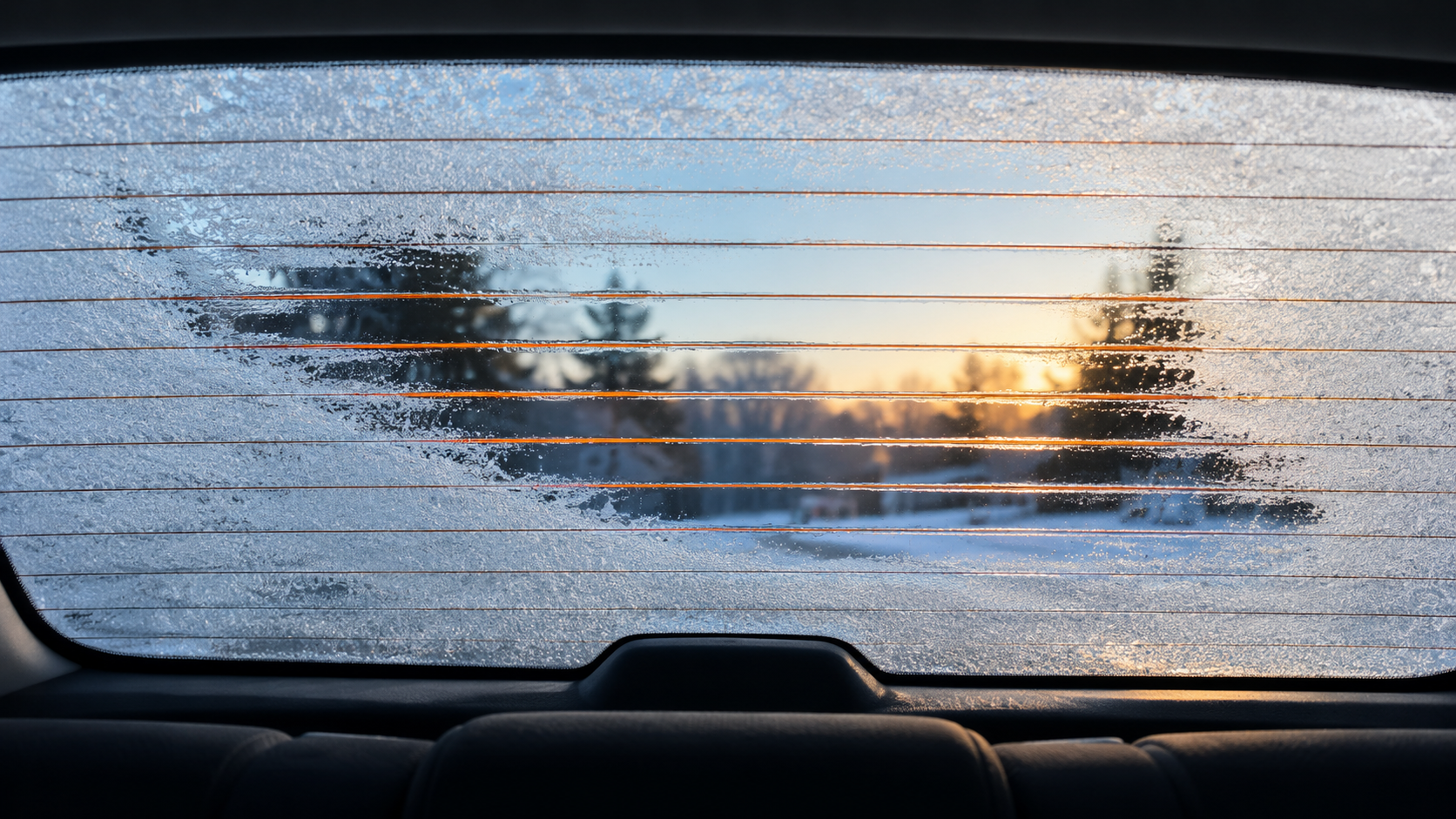
Every year when the first hard freeze arrives, usually sometime in late October or November around here, we see the same pattern: drivers walk out to a windshield that cracked “for no reason.” There is almost always a reason, and understanding it is the difference between a quick repair and a full replacement. Here is what actually happens to auto glass when the temperature drops, why this region is especially tough on windshields, and what to do when it happens to you.
Can cold weather crack a windshield? How it actually happens
A windshield is not a single sheet of glass. It is two layers of glass bonded around a plastic inner layer, and glass expands when it is warm and contracts when it is cold. When one part of the windshield changes temperature faster than another, the two areas pull against each other. That tension is called thermal stress, and glass has a limit. Cross it and the glass relieves the stress the only way it can, by cracking.
Most winter cracks do not come from the cold alone. They come from a fast temperature difference across the glass. A frozen windshield hit with a blast of hot air, a sunny afternoon after a frigid night, warm defrost on the inside while the outside sits at fifteen degrees. The bigger and faster the difference, the higher the risk. This is also why a crack can appear when you are nowhere near the car: the glass contracted overnight and a weak point finally gave way.
Why Northeast Ohio winters are especially hard on auto glass
This is not generic winter advice. A few things about our corner of Ohio make windshield damage more likely here than in a lot of the country.
- Lake-effect swings. Being downwind of Lake Erie means fast, dramatic temperature changes. Geauga County and the Chardon area sit in the snowbelt and can go through a freeze, a thaw, and another freeze in the same week. Every one of those cycles is a chance for glass to expand and contract.
- Big day-to-night gaps. A sunny thirty-eight-degree afternoon followed by a clear night in the teens is an ordinary Northeast Ohio day in December. That daily swing is exactly the kind of repeated stress that finds a weak spot in a windshield.
- Road salt and brine. The salt and brine that keep I-90, I-271, I-77, and Route 2 drivable also pit and micro-chip glass all winter. Those tiny pits become the starting points for cracks when the thermal stress arrives.
- Gravel and plow debris. Winter roads throw more stone and hardened slush than summer roads do, so the chips that lead to cracks are more common in the first place.
The defroster mistake that cracks windshields
If we had to name the single most common way drivers crack their own glass in winter, it is shocking a frozen windshield with sudden heat. Two versions of this cause most of the damage we repair.
Before the first freeze, check the basics: NHTSA’s winter driving tips recommend making sure your defroster works and filling up with a winter washer fluid that has de-icer.
The second version is gentler but adds up: turning the defroster straight to maximum heat the moment you start the car. On a badly frozen windshield, warming the inside surface fast while the outside is still iced puts real stress across the glass. Start the defroster on a low or moderate setting and let the temperature come up gradually over a few minutes. Your glass, and any chip already hiding in it, will thank you.
How a small chip becomes a full crack overnight
A chip is a weak point where the outer layer of glass is already broken. Winter stress concentrates right at that weak point. Add a freeze-thaw cycle, moisture working into the chip and expanding as it freezes, and one cold night is often all it takes for a repairable chip to become a crack too long to repair.
This is the part drivers regret most. The chip was fixable in October, a quick and inexpensive repair, but by January it has run across the glass and the only option is replacement. If you already have a chip or a short crack, the season to deal with it is now, before the hard freezes start. For how we decide whether damage can be repaired or needs replacement, see our guide on what size windshield crack can be repaired.
Have a chip before winter really sets in? Fixing it now is faster and cheaper than a replacement later.
What to do if your windshield cracks this winter
First, do not panic and do not reach for the hot water. If the crack is short and outside your line of sight, it may still be repairable, especially if you act before the next hard freeze spreads it. If it is long, in the driver’s view, or at the edge of the glass, plan on replacement.
Either way, get it looked at quickly. A crack that could have been repaired on Monday is often a replacement by the weekend once winter weather goes to work on it. Cover the crack with clear tape on the outside to keep moisture and road salt out until you can get in, keep the cabin temperature moderate rather than blasting heat, and avoid slamming doors, which sends a pressure pulse through the glass.
If the damage makes the car unsafe to drive, or you simply do not want to drive on a cracked windshield in winter traffic, our mobile team can come to your home or workplace anywhere in Northeast Ohio. For a replacement on a vehicle with driver-assist cameras, we recalibrate the ADAS system so features like lane departure warning and automatic emergency braking keep working through the winter, when you need them most.
How to protect your windshield through a Northeast Ohio winter
- Fix chips before the freezes start. This is the single most effective thing you can do. A ten-minute repair in fall prevents a replacement in January.
- Warm the glass gradually. Low or moderate defrost first, then increase. Give it a few minutes rather than an instant blast of maximum heat.
- Never use hot water to de-ice. Use the defroster, a plastic ice scraper, or a proper de-icer spray instead.
- Park in a garage when you can, or use a windshield cover to reduce how far the glass has to swing in temperature each morning.
- Scrape, do not force. Let the defroster do most of the work and finish with a scraper. Prying at thick ice can drive a chip into a crack.
- Keep an eye on existing damage. If a chip starts to grow, get it in before the next cold snap rather than after.
Windshields crack in Northeast Ohio winters. It is one of the realities of driving here. The good news is that most of the worst outcomes are preventable, and when a crack does happen, catching it early keeps your options open. If you have damage now, or a chip you meant to deal with over the summer, this is the time to take care of it.
Written by the Defender Auto Glass service team, from the repairs our certified technicians perform every week across Mentor, Chardon, Akron, and Elyria. Learn more about our team.
Frequently Asked Questions
Usually it is not the cold by itself but a fast temperature difference across the glass, called thermal stress. A frozen windshield warmed unevenly, a cold night after a warm day, or hot air on iced glass can all create enough tension to crack it, especially if a chip is already present.
Overnight cracks are almost always thermal stress cracks. As temperatures drop at night the glass contracts, and a weak point, often a small chip or a salt pit you never noticed, gives way. No impact is needed once the stress passes the glass’s limit.
The defroster is fine and is the right tool. The mistake is going straight to maximum heat on badly iced glass. Start on a low or moderate setting and let the temperature rise over a few minutes so the glass warms evenly instead of being shocked.
Yes. Repairs can be done in winter, and mobile repairs are done in a heated or sheltered setting when needed so the resin cures properly. What matters most is acting quickly, because winter conditions spread cracks fast and a repairable crack can become a replacement within days.
Fix it before winter. A chip is a weak point, and freeze-thaw cycles plus moisture expanding inside it are the most common way a small chip becomes a long crack. A quick fall repair is far cheaper and faster than the replacement a spread crack will require.
Four Northeast Ohio Locations
Cracked This Winter? We Come to You
A cold-weather crack rarely gets smaller. Have it looked at quickly at any of our four Northeast Ohio facilities, or let our mobile team handle it in your driveway before the next hard freeze spreads it further.