
As winter settles across Northeast Ohio, many drivers face the seasonal challenges of icy roads, reduced visibility, and frigid temperatures. But there’s one winter hazard that often gets overlooked until it becomes a major problem: small chips in your windshield. Left alone, those chips turn into winter windshield cracks that spread across the glass.
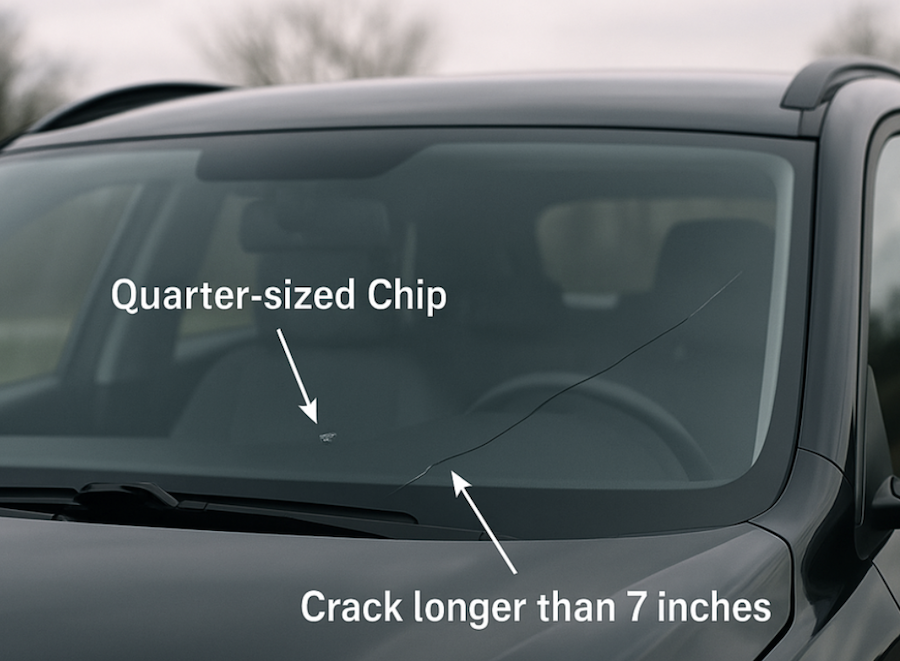 What seems like a minor blemish in early November can quickly turn into a long, spreading crack by the time the first heavy snow falls. At Defender Auto Glass, we’ve seen it happen time and time again. Cold weather accelerates windshield damage, and waiting too long to schedule a repair can turn a quick fix into a costly replacement.
Understanding how winter weather impacts auto glass can help you avoid unnecessary repairs, reduce safety risks, and keep your vehicle in top condition throughout the coldest months of the year. If you’ve been searching for terms like “windshield crack repair near me” or “mobile chip repair,” here’s what you need to know, and why acting fast matters.
Why Winter Windshield Cracks Spread
The most common reason windshield chips get worse in winter is due to thermal contraction. When temperatures drop, glass contracts. This is a normal physical reaction, but it creates added stress on the already weakened area where a chip or small crack exists. As the cold air outside meets the warmer air from your defroster or heater inside the car, the glass experiences uneven temperatures across its surface. That contrast causes the glass to expand in some places and contract in others. The result is pressure, and that pressure often causes a small chip to spider out or crack further, sometimes within hours.
In fact, many of the longest windshield cracks we see at our locations in Mentor, Chardon, Akron, and Elyria began as minor rock chips that drivers noticed in late fall but chose to ignore. By the time December arrives and temperatures dip below freezing, those same chips become long cracks running across the driver’s line of vision. In most cases, damage over six inches in length or near the edges of the windshield requires a full replacement instead of a simple repair. That’s a difference in both cost and time—something no driver wants to deal with in the middle of winter.
Moisture and Ice in the Chip
 Another contributing factor is moisture. When snow, sleet, or freezing rain enters a chip in the glass, that moisture can seep deep into the crack. When temperatures drop overnight, that moisture freezes and expands inside the chip, pushing the glass apart from within. This expansion widens the crack and often weakens the surrounding glass. In a matter of days, what was a nearly invisible chip becomes an obvious, growing crack that reduces your visibility and compromises your safety.
Go Easy on the Defroster
Blasting hot air on a frozen windshield creates a sharp temperature difference across the glass, and that stress can make a small chip spread. Start the defroster on low and let the glass warm up gradually. Our guide to safely defrosting and de-icing your windshield covers the details.
Road Salt and Debris
Road salt and debris are also major culprits in winter windshield damage. Snowplows and salt trucks frequently kick up gravel, ice chunks, and hardened salt particles that impact windshields with surprising force. As the Ohio Department of Transportation ramps up salting operations each winter, so does the frequency of chips and small cracks caused by flying road debris. Drivers who commute daily on Route 2, I-90, or through school zones in Elyria and Akron often experience this kind of damage, especially after storms when road treatments are most aggressive.
Repair Chips Before the Deep Freeze
That’s why early repair is so critical during the winter months. At Defender Auto Glass, we recommend scheduling a professional chip repair as soon as you notice the damage, even if it seems small. Chip repairs typically take less than 30 minutes and can be completed either in one of our clean, heated facilities or through our mobile service that comes directly to your home, office, or parking lot. We use high-quality resin to fill the chip, cure it with UV light, and restore the glass’s strength. This process prevents the crack from spreading and eliminates the need for full replacement in most cases.
Can a Windshield Be Repaired in Cold Weather?
 Many customers assume auto glass can’t be repaired in cold weather, but that’s not true. With the right tools, materials, and trained technicians, chip repairs and even full windshield replacements can be performed safely and effectively in winter. Our shops are equipped to handle cold-weather conditions, and our mobile teams carry heated equipment and cold-rated adhesives that allow them to work in freezing temperatures without compromising quality or safety.
Insurance and Cost
If you’re concerned about cost, the good news is that many insurance policies cover chip repairs at no cost to you. Defender Auto Glass works with all major insurance carriers and can help verify your coverage before service begins. And if you’re paying out-of-pocket, our pricing is always clear and affordable. When compared to the cost of full windshield replacement, early chip repair is one of the best investments you can make in your vehicle this winter.
Winter Visibility and Safety
Safety should never take a back seat during the winter driving season. A compromised windshield can distort visibility, reduce the effectiveness of your wipers, and fail under impact. It also plays a structural role in airbag deployment and rollover protection. Repairing that small chip now means preserving all of those safety features when you need them most. NHTSA’s winter driving checklist also recommends making sure your defrosters and wipers work before the snow arrives.
If you’ve noticed a chip or crack in your windshield and the temperatures are dropping, don’t wait for it to get worse. Defender Auto Glass offers fast, local service in Mentor, Chardon, Akron, Elyria, and throughout Northeast Ohio. Whether you bring your vehicle to one of our facilities or schedule our mobile team to come to you, we’ll make sure your windshield is winter-ready, safe, and strong.
To request a quote or schedule your service today, visit https://defenderautoglass.com/online-quote. Our team is standing by to help you handle small problems before they become big ones. Because when it comes to winter windshield damage, waiting is never worth the risk.